In short
- Limit elevation gains to 500m per day above 3,000m.
- Take a mandatory rest day in Manang at 3,519m.
- Carry Diamox in your personal first-aid kit.
In this article
- What is the daily elevation limit on the Annapurna Circuit?
- Why is Manang important for altitude sickness prevention?
- How does 'climb high, sleep low' work in practice?
- What should I pack to prevent altitude sickness?
- Should I sleep at Thorong Phedi or High Camp?
- Does visiting Tilicho Lake help with acclimatization?
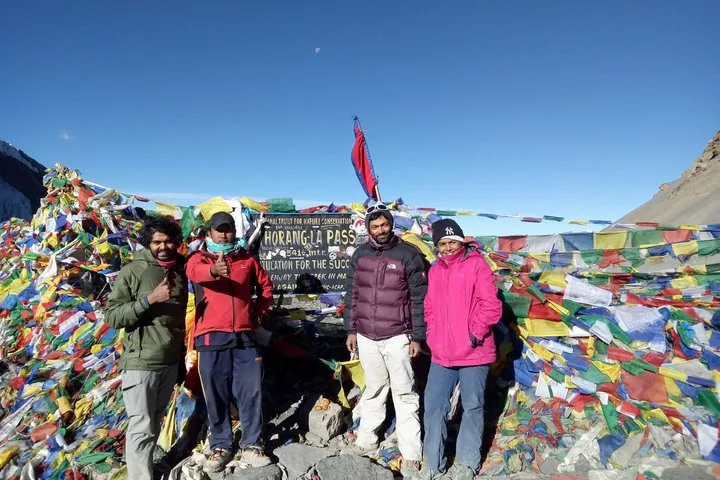
Reaching 5,416 meters requires strict discipline. Your body needs time to adjust to the thinning air. Rushing the ascent significantly increases your chance of failing the trek or requiring a mountain rescue.
What is the daily elevation limit on the Annapurna Circuit?
Do not increase your sleeping elevation by more than 500 meters per day once you pass 3,000 meters.
This is the most critical rule for altitude safety. You must strictly observe this acclimatization protocol. It gives your body the necessary time to adjust to the lower oxygen levels at high altitude.
Why is Manang important for altitude sickness prevention?
Manang Village sits at 3,519 meters and serves as the primary acclimatization hub.
Trekkers typically spend two nights here. Taking a rest day in this arid valley allows you to pause your upward progression. You should use this day to complete a short acclimatization hike.
How does 'climb high, sleep low' work in practice?
You hike to a higher altitude during the day and return to a lower elevation to sleep.
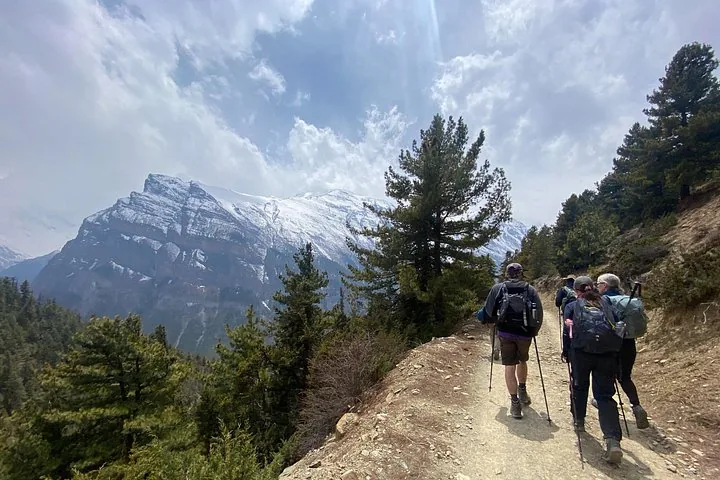
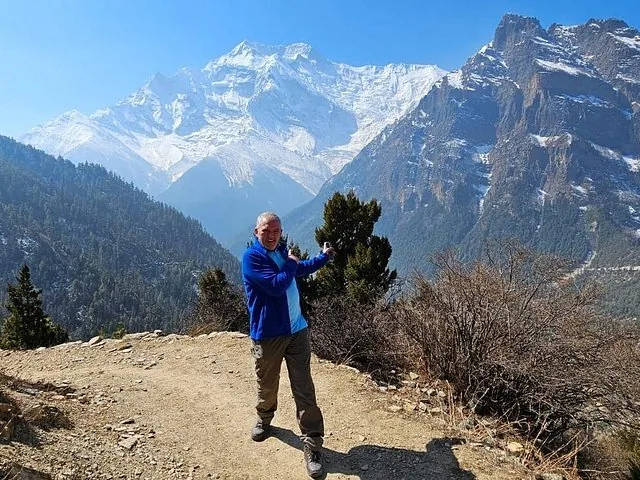
During your rest day in Manang, hike up to the Ice Lake or the 100 Lama monastery. After reaching these higher points, return to Manang (3,519m) to sleep. The Upper Pisang to Ngawal trail also aids acclimatization.
What should I pack to prevent altitude sickness?
Pack Diamox (Acetazolamide) and a reliable water purification system.
Include Diamox in your comprehensive personal first-aid kit for altitude sickness prevention. You also need to stay highly hydrated. Bring water purification tablets or a filter system like Lifestraw or Steripen to safely drink stream water.
Should I sleep at Thorong Phedi or High Camp?
Sleep at Thorong Phedi if you feel unwell, or High Camp if you are fully acclimatized.
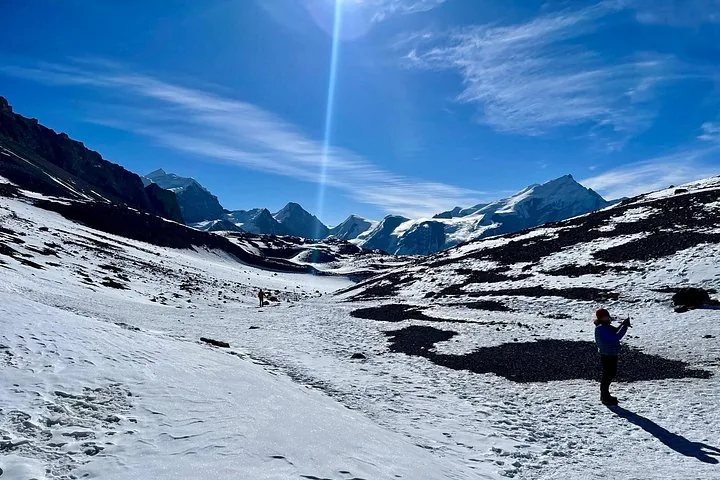
Thorong Phedi sits lower in a steep gorge. High Camp requires sleeping at a risky 4,850 meters. If you have mild altitude headaches, stay lower at Thorong Phedi to recover.
Does visiting Tilicho Lake help with acclimatization?
Yes, hiking to Tilicho Lake provides excellent altitude preparation.
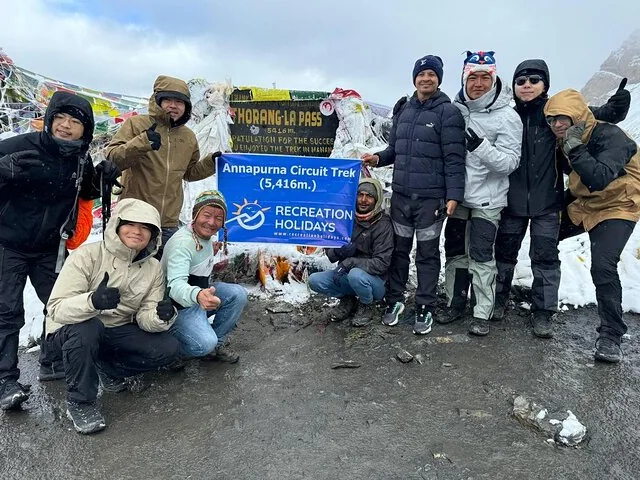
Tilicho Lake sits at 4,919 meters. Hiking up to this high-altitude glacial lake and returning to sleep at lower elevations perfectly executes the 'climb high, sleep low' strategy. It prepares your body for the final 5,416m pass.
Questions travellers ask
Do I need oxygen for the Thorong La Pass?
Supplemental oxygen is not standard if you acclimatize properly. The key is to pace your ascent, limit your daily sleeping elevation gain to 500m above 3,000m, and take scheduled rest days in Manang.
What is the risk of altitude sickness on the Annapurna Circuit?
The risk is significant because the trek reaches 5,416 meters. Rushing the trail or ignoring symptoms often leads to severe Acute Mountain Sickness (AMS). You must follow acclimatization rules closely.
How difficult is the Annapurna Circuit with Tilicho Lake?
The trek is strenuous. It requires very good physical fitness, stamina, and proper altitude acclimatization. The long, steep descent from Thorong La also puts significant strain on your knees.